
Water damage restoration is the process of repairing and restoring a water-damaged property to its original condition. The type of water damage affecting a property determines the exact stages of the restoration process. But whether it’s a flood, pipe leak, or sewage issue, time is critical in any water emergency.
Every region has its own set of specific water-damage risks. For Idaho, this includes spring snowmelt, freeze-thaw cycles that affect pipes and plumbing systems, and cracks and deterioration in irrigation canals. Having served the Wood River Valley and Twin Falls area for more than 50 years, Valley Restoration understands these threats and how to address them through advanced water mitigation techniques, drying equipment, and structural repairs.
In this blog, we’ll discuss everything you need to know about the water damage restoration process, including what to expect when restoration professionals arrive at your property.
Common Sources of Water Damage in Idaho Homes
While appliance leaks, storm damage, and overflowing toilets can happen anywhere, Idaho’s geography and climate create their own region-specific water damage risks. Here are some common scenarios Wood River Valley and Magic Valley homeowners face.
Spring Snowmelt and Mountain Runoff
May and June snowmelt in the mountains surrounding Blaine County and the Wood River Valley sends water into crawl spaces, basements, and foundation walls. Along with the water damage itself, this can lead to additional problems. According to the EPA, if left unaddressed for 24-48 hours or longer, the water can lead to mold growth.
Frozen and Burst Pipes
Cold winters in Idaho can cause water inside pipes to freeze, expand, and split the plumbing open. The resulting water damage can ruin hardwood floors, carpet, and tilework, especially in vacation homes left unheated during the off-season.
Irrigation Season Groundwater
Southern Idaho’s agricultural irrigation raises groundwater levels seasonally. Homes near irrigation canals in Twin Falls and throughout the Magic Valley may see elevated below-grade moisture.
Storm and Flood Damage
Storms can bring down trees, compromise roofing, and drive water into a home through damaged structures. Likewise, sudden or slow-building floods can leave belongings waterlogged and compromise structural materials. Storm and flood damage typically falls under Category 3 water damage and must be handled by trained professionals.
What to Do Immediately After Water Damage
Knowing exactly what to do after discovering water damage allows you to act fast and mitigate further damage. Start with the following five steps, in order.
- Assess Your Safety: If you can stop the source of water damage, ensure the area is safe before doing so. If it isn’t, evacuate and wait for local restoration professionals to arrive at your property.
- Turn Off the Water Line: If the water damage is coming from an internal source, turn off the main water line in your house. The water cut-off valve is often located in the basement, laundry room, or the outer perimeter of the home.
- Call a Professional Mitigation Company: Regardless of how quickly you shut off the water, if the water damage is significant, professional water damage restoration is needed. Fast help from certified mitigation specialists can prevent further damage and mold development.
- Document the Water Damage: Documentation is critical for your insurance claim, and insufficient evidence can lead to delays or claim denial. To avoid this, take photos or videos of these key items, including the location of visible damage, any standing water, and damaged personal items.
- Call Your Insurance Company: Call your insurance provider only after your restoration company has arrived, assessed the scene, and assisted with documenting the damage. Filing your insurance claim soon after restoration professionals arrive helps move the process along and avoid delays that could result in coverage being denied.
What to Expect During Water Damage Restoration: A Phase-by-Phase Timeline
Understanding what happens after you call your restoration company can make the whole process feel far less overwhelming. Below is a realistic breakdown of the restoration timeline and what to expect at each stage. Note that your water damage restoration process may not follow this exact timeline, as the length of each phase depends on your unique water damage situation.
Phase 1: Emergency Response
Hours 0-3: After you call, a reputable restoration company will dispatch a team quickly, often within the hour, particularly for after-hours emergencies.
What to expect: While you wait, limit your movement through affected areas to avoid spreading water or slipping on wet surfaces, and keep children and pets away from the site. Take photos of visible damage for your insurance records before anything is moved. If a failed part caused the loss, a burst pipe or fitting, for example, keep the part where it is and hold onto any related receipts; your restoration team will want to review them, and they can matter for getting your claim covered.
Phase 2: Assessment and Water Extraction
Hours 1-4: The restoration team will arrive, confirm that the water source has been shut off if applicable, and conduct a full assessment of the damage. They document the cause, photograph the affected areas, and begin water extraction using industrial-grade pumps and specialized tools.
What to expect: Technicians will walk through your home and may need access to multiple rooms. Expect some noise from the extraction equipment and the restoration team members moving through your space.
Phase 3: Moisture Detection and Initial Drying
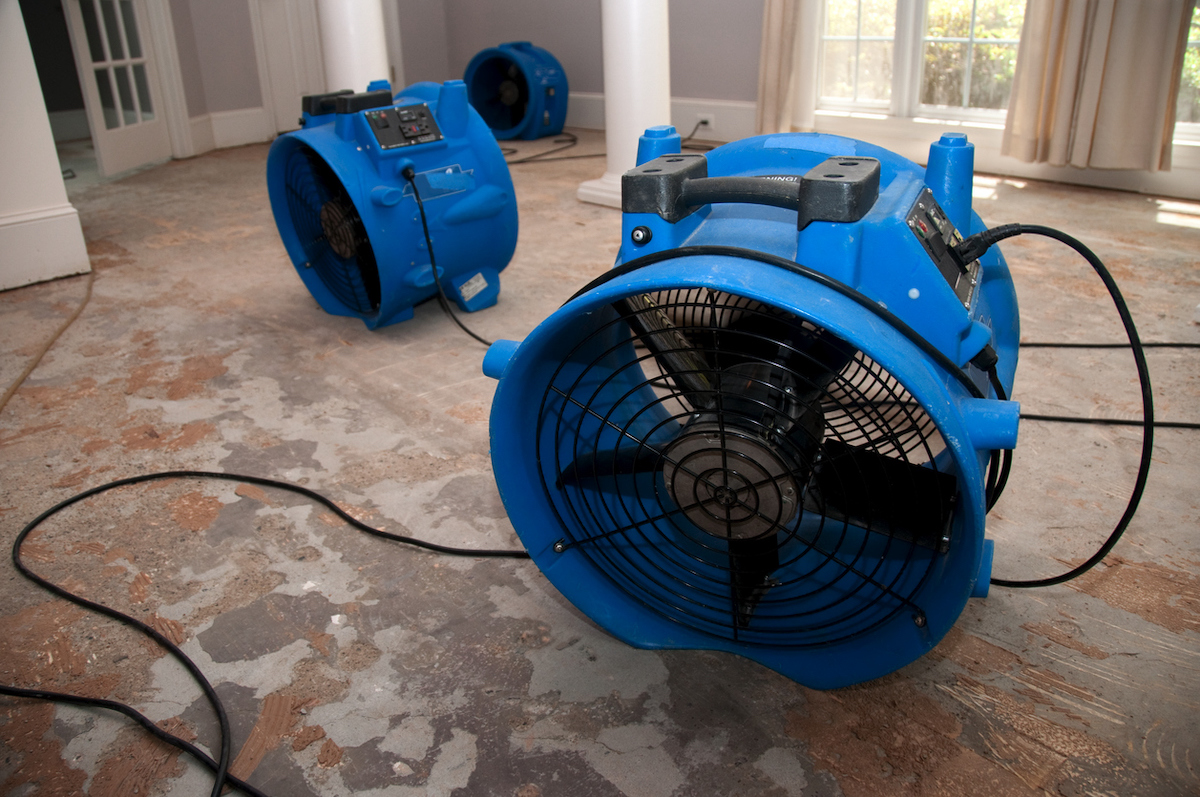
Hours 4-24: Once standing water has been removed, technicians use moisture meters and thermal imaging to locate water that has seeped into walls, subfloors, and other hidden cavities. Industrial air movers and dehumidifiers are then set up throughout the affected areas to begin the drying process.
What to expect: The drying equipment will run continuously, and since moisture travels, more rooms than anticipated may require the equipment. Technicians will check readings regularly and adjust equipment placement as needed.
Phase 4: Active Drying and Monitoring
Days 3-5: While drying, the team will continue to monitor moisture levels, reposition equipment as needed, and document progress. Drying typically takes three to five days for moderate damage, though severe cases involving subfloor saturation or large square footage can run longer.
What to expect: You’ll receive regular updates on moisture readings so you can track progress. Some materials, such as saturated drywall or flooring, may be deemed unsalvageable during this phase, and the team will discuss removal options with you before proceeding. The drying equipment needs to run continuously to stay on schedule – if a unit shuts off or trips a breaker, let your restoration team know right away.
Phase 5: Cleaning, Repairs, and Restoration
The Next 1-3 Months: Once moisture readings return to acceptable levels, the team removes the drying equipment and moves into repairs. The scope may include patching drywall, replacing flooring, or removing faulty appliances. For most homes, reconstruction runs about one to three months, depending on the extent of the damage.
What to expect: Two things tend to drive how long this phase takes: how quickly materials can be selected and sourced, and how smoothly communication flows with your insurance adjuster. You can help keep things moving by choosing colors and materials promptly – long lead-time items are often the holdup – and by staying in close contact with your adjuster. Your restoration team will set realistic expectations for your specific situation.
What You Should Do During Water Damage Restoration Work
Knowing how to play your part while the restoration team does theirs can speed up the process, protect your insurance claim, and reduce stress along the way.
- Document everything. Take photos and videos of the damage before anything is moved or cleaned up. Keep a running log of technician visits, conversations with your insurer, and any expenses related to the damage.
- Leave the equipment alone. Industrial dryers and dehumidifiers need to run continuously to work properly. Even briefly turning them off or moving them between visits can extend your drying timeline and potentially affect your claim.
- Hold off on DIY repairs. Avoid patching, painting, or discarding damaged materials until the team completes the restoration process and your insurance adjuster has had a chance to assess the damage.
- Decide early whether you can stay in the home. Your restoration team can set expectations and help you make this decision. Consider the noise level, air quality, and whether key utilities are functioning. If you need to stay elsewhere temporarily, check whether your homeowners policy covers temporary lodging.
- Ask questions. The restoration process can be confusing for homeowners who are unfamiliar with it, and your team will gladly answer any questions you have about the timeline, the extent of the damage, repair costs, and more.
- Think about prevention while it’s top of mind. Ask the technician about the condition of your surrounding pipes, look into water leak detection devices, and review your insurance coverage while the experience is still fresh.
Address Water Damage Fast With Valley Restoration
From storm damage to plumbing malfunctions, our water damage restoration experts are here to address the issue and restore your home to its original condition. Valley Restoration is IICRC-certified, meaning we have the highest level of credentials from the Institute of Inspection, Cleaning and Restoration Certification. Since 1968, we’ve helped families and business owners in the Wood River Valley and Magic Valley areas take the proper steps to restore their properties and rebuild their lives in the face of disaster.
For 24/7 emergency water damage restoration services, call (208)-875-5871 or contact us online to speak with a team member.
Water Damage Restoration FAQs
How long does water damage restoration take?
It depends on the scope of the damage. The drying and mitigation phase typically takes anywhere from a few days to about a week, while full reconstruction, including repairing or replacing damaged materials, can take several weeks to a few months for larger losses. Once your property has been assessed, your restoration team can provide a more accurate timeline based on the extent of the damage.
Can I stay home during restoration work?
In many cases, yes. If the damage is limited to one area of the home and utilities remain functional, you may be able to stay. However, industrial drying equipment, increased noise, reduced air quality, and limited access to kitchens or bathrooms can make temporary relocation more comfortable. Your restoration team can help you determine the best option for your situation.
What does it mean for a restoration company to be IICRC-certified?
An IICRC-certified restoration company has completed training and earned credentials through the Institute of Inspection, Cleaning and Restoration Certification, the industry’s leading organization for restoration standards. Certified technicians follow established procedures for moisture detection, structural drying, equipment placement, and contamination control, helping ensure the restoration is completed according to recognized best practices.
Will my homeowners insurance cover water damage restoration?
Most homeowners insurance policies cover sudden and accidental water damage, such as a burst pipe or appliance failure. Damage caused by long-term leaks, poor maintenance, or flooding is generally not covered and may require separate flood insurance through the National Flood Insurance Program or a private insurer. Proper documentation, including photos and a detailed assessment from your restoration company, can help support your insurance claim.