
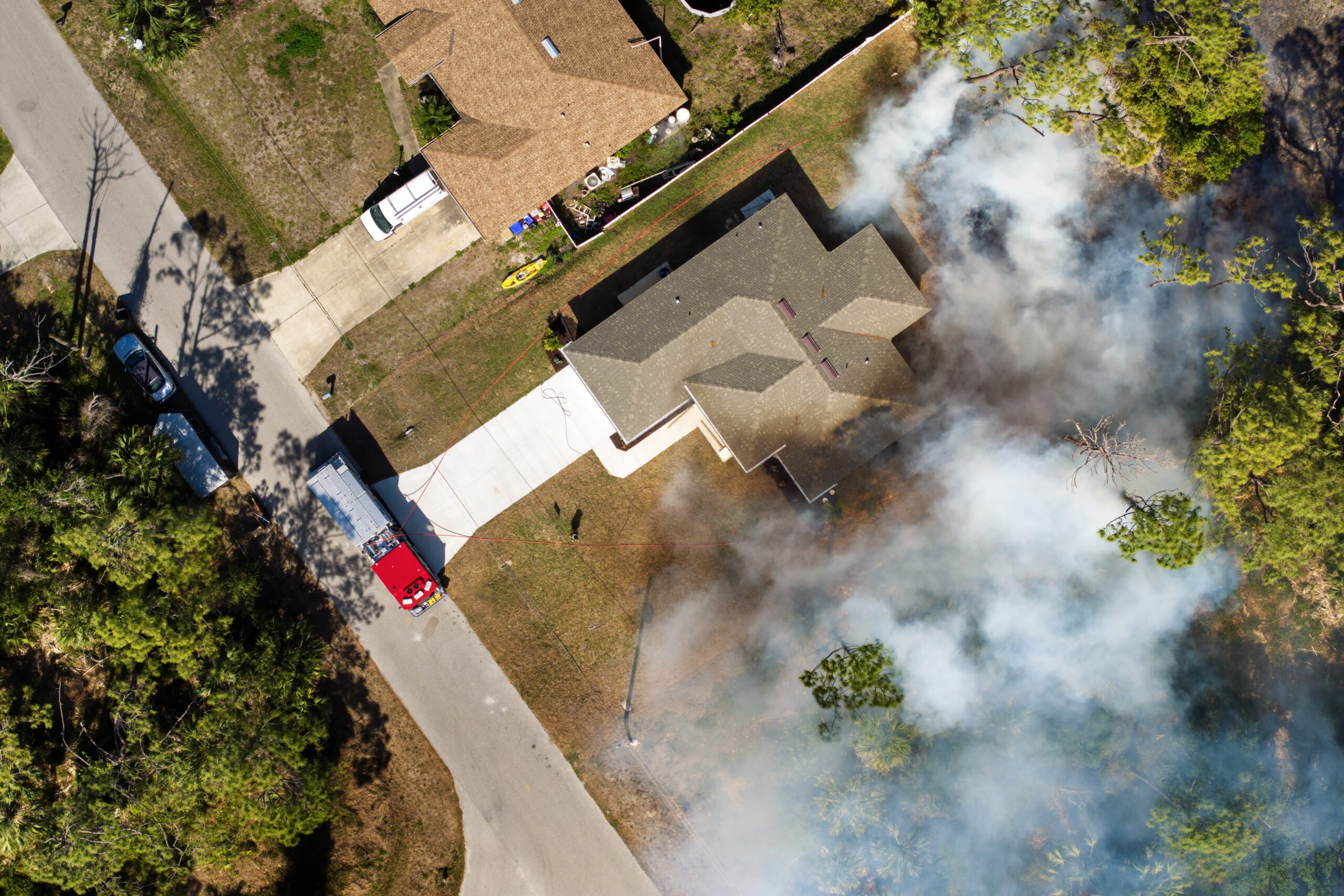
Fire damage goes beyond fanning out the flames and recovering burned items. Fires are always accompanied by smoke and soot damage, which can linger and cause damage even after the fire is out. While the two are related, smoke and soot have slightly different impacts on people and the materials they encounter.
Let’s unpack the differences between smoke and soot damage, their categories, and what a fire damage restoration specialist can do to clear your home of harmful smoke and soot particles.
The Differences Between Smoke and Soot Damage
Smoke is defined as a mixture of airborne chemicals and particles that resulted from combustion. Soot is a black, powdery residue that develops from incomplete combustion.
Fire smoke may consist of carbon monoxide, sulfur dioxide, and other chemicals that are extremely dangerous to inhale or be near. The exact chemical makeup of smoke can depend on what has been burned. Soot, on the other hand, is mostly carbon, but it may also contain additional chemicals, acids, and other particles.
Both smoke and soot can do substantial damage to the surfaces each encounters. The longer smoke or soot remains untreated, the more difficult it is to remove stains. Smoke, in particular, can penetrate through porous surfaces, leading to irreparable material damage.
Lingering smoke and soot worsen the air quality inside the property, may exacerbate asthma, and can cause respiratory infections upon exposure. Because of their hazardous makeup and damaging impact, smoke and soot are best left to professionals who specialize in fire damage and have the equipment needed to clean and restore the area.
5 Types of Smoke and Soot Damage
1. Wet Smoke Residue
Wet smoke residue is typically the result of fires that include rubber, plastics, or synthetic materials. These fires are slow to burn and smoldering, resulting in a thick, pungent residue consisting of carbon and tar. Wet smoke residue is sticky and difficult to clean, penetrating materials with smells and stains that can stick around if not treated properly.
2. Dry Smoke Reside
While wet smoke residue results from slow-burning fires, dry smoke residue is the product of fast burns. Fueled by paper, wood, and other natural materials, these fires lead to powdery dry smoke residue that doesn’t smear as much as wet smoke residue but still can have damaging effects. Dry smoke can seep into porous materials, cause discoloration, and leave behind odors. Even smoke from a wood stove or fireplace can cause more damage than you would think.
3. Protein Residue
Protein residue is the result of kitchen fires. When foods or other organic materials burn, protein residue can contribute to an already dangerous environment by spreading pathogens throughout the area. While protein smoke is hardly visible, it gives off a strong odor that may smell like sour milk. Along with its odor, protein residue can permanently ruin paint and varnishes if not addressed quickly.
4. Fuel Oil Soot
If your furnace puffs back or malfunctions, fuel oil soot may settle nearby. This type of soot can cause and spread smoke stains and even increase the possibility of another fire. Fuel oil soot is dense and odorous, requiring specialized cleaning for a full removal.
5. Other Residues
Fire extinguishers and various chemicals that result from firefighting can leave behind residue that causes damage.
Choose Valley for Smoke and Soot Damage Restoration
Dealing with smoke and soot damage in your home or business is challenging, but the fire damage experts at Valley Restoration are here to help. Since 1968, we’ve helped families and business owners in Wood River Valley and Magic Valley take the right steps to restore their properties in the face of disaster. For 24/7 disaster recovery service in Ketchum, Sun Valley, Hailey, and our surrounding communities, contact Valley Restoration today.
Schedule a restoration appointment today at 208-568-7999