
Key Points:
- More thorough than DIY cleaning, mold remediation is the process of identifying and removing mold at its source and preventing further growth.
- Idaho-specific mold risks include spring snowmelt, crawlspace conditions, and irrigation infrastructure.
- Valley Restoration provides thorough mold remediation in Idaho, identifying moisture sources and working with clients’ insurance providers on their behalf.
Mold is incredibly common in Idaho homes, but that doesn’t make discovering it any less stressful. Snowmelt, crawl space moisture, and irrigation season are all common culprits that cause water damage and mold growth if left unaddressed. Fortunately, professional mold remediation not only eliminates your mold problem but also prevents future issues.
Serving the Wood River Valley and surrounding areas since 1968, Valley Restoration provides full-service cleaning and restoration services, including mold remediation. In this guide, we’ll unpack Idaho-specific mold risks, each step of the remediation process, costs, and everything you need to know.
What Is Mold Remediation, and How Is It Different From Cleaning?
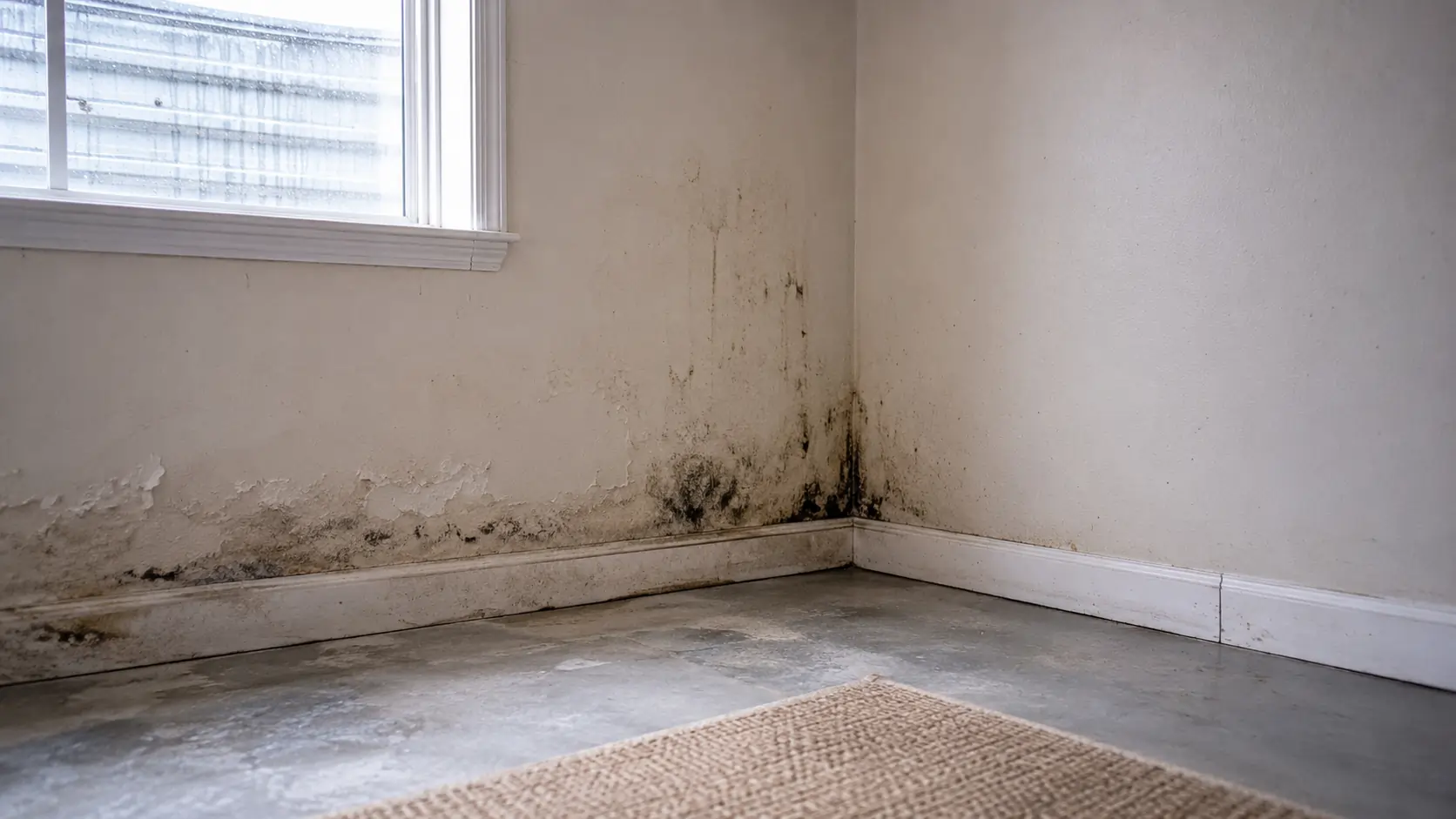
Mold remediation is the professional process of identifying and removing mold and preventing further growth. It involves finding the moisture source, containing the affected area, and removing contaminated materials. “Cleaning” mold – using a household cleaning spray or wiping off a moldy surface – is not the same as remediation.
The EPA recommends handling mold yourself only if the mold’s surface area is less than 10 square feet. However, if you are unsure whether you have additional hidden mold in your home, or a major moisture source or water damage needs addressing, professional remediation from a restoration company is the best course of action.
Idaho-Specific Mold Risks
Any environment that has the requisite conditions – oxygen, a food source, water, and a temperature between about 60 and 80 degrees Fahrenheit – can develop mold, but specific regions come with their own risks. Here are some scenarios common to Idaho homeowners.
Snowmelt and Spring Water Intrusion
Mold requires water to form, and springtime in Idaho can be a high-risk period for mold growth after water damage. May and June snowmelt in the mountains in Blaine County and the Wood River Valley, for example, can send water into crawl spaces, basements, and foundation walls. If that water goes unaddressed for 24-48 hours and ideal conditions are met, mold will develop and spread.
Crawl Space Vulnerabilities
Many Idaho homes rely on crawlspace foundations, and these spaces are rarely inspected unless there’s a problem. Since crawlspaces trap humidity and lack adequate ventilation, mold growth may develop and go unnoticed for extended periods.
Irrigation Season
Southern Idaho’s agricultural irrigation infrastructure raises ambient groundwater levels seasonally. Homes near irrigation canals in the Twin Falls area and throughout the Magic Valley may experience elevated below-grade moisture, which can lead to mold growth.
Seasonal Properties
If you have a vacation home and go away for weeks or months at a time, take precautions to avoid leaving a mold-ready environment behind. Without ongoing climate control or a neighbor to check for drips or musty smells, conditions can gradually worsen until someone intervenes.
The Mold Remediation Process, Step by Step
Professional mold remediation is a multi-stage process that involves identifying the source of mold growth, removing contaminated materials, and treating all affected areas. Here are the steps Valley Restoration’s mold remediation team follows when addressing mold cases in Idaho.
Step 1: Inspection and Assessment
Upon arrival, your mold remediation specialists will evaluate the visible mold, identify hidden moisture intrusion points, and determine the scope of the problem. The team may use moisture meters, thermal imaging, and other specialized tools to assess mold and damage in your home.
Step 2: Mold Containment and Removal
The team will isolate the areas of mold using plastic sheeting and negative air pressure to prevent spores from spreading to unaffected areas of the home. Then, they will carefully remove the mold, along with any permanently damaged items. All removed items will be documented for your insurance claim.
Step 3: Air Filtration
The process does not end with removal. HEPA filtration systems and vacuums capture airborne spores during remediation. This step protects workers and residents from inhalation and reduces cross-contamination throughout the home.
Step 4: Cleaning
Once the air is cleared of mold spores, the team will deep-clean all surfaces and belongings affected by the mold. They will use their tools to perform a final check, ensuring that no moisture or mold remains.
Step 5: Restoration
In certain cases of severe mold damage, structural repairs or replacements may be needed. Your technicians will begin that process once all cleaning is complete.
How Long Does Mold Remediation Take?
The timeline for mold remediation depends on the size and severity of the infestation. Small jobs involving a single bathroom or crawl space may be completed in one to two days, while larger infestations affecting an attic, basement, or multiple rooms can take a week or more.
Certain factors can extend the mold remediation timeline, including:
- Hidden mold requiring exploratory demolition
- Repairs related to the moisture source
- Extensive mold damage to the home’s materials that requires repairs or reconstruction
What Does Mold Remediation Cost in Idaho?
Where you live, how much mold is in your home, and the severity of mold damage are all factors in how much mold remediation will cost you.
For example, in Sun Valley, Idaho, according to HomeAdvisor data, the typical cost range for mold remediation is $973 to $3,256. However, larger, more severe cases involving major structural damage repairs can reach tens of thousands of dollars.
Other variables that affect the cost include:
- The type of mold
- Labor costs
- Location in the home
- Additional services required
Valley Restoration offers a free estimate before starting the mold remediation process and provides direct correspondence and billing to insurance companies for accurate reimbursement.
Does Homeowners Insurance Cover Mold Remediation?
Mold that results from a sudden event, such as a burst pipe, is often covered under standard Idaho homeowners policies. Your remediation cost may be included under the water damage claim.
Mold from long-term neglect, gradual leaks, or maintenance failures is often not covered and can result in out-of-pocket expenses. Flood damage – sometimes including snowmelt intrusion – may require separate flood coverage from the National Flood Insurance Program or a private insurer.
If you discover mold or if you face a property emergency that results in mold, document everything. We recommend calling a restoration company first so the damage is properly assessed and documented, then contacting your insurance provider to file the claim. Valley Restoration communicates with homeowners’ insurance companies on their behalf, ensuring all necessary claim details are included.
For Mold Remediation in Idaho, Call Valley Restoration
If a mold outbreak occurs in your home, the remediation specialists at Valley Restoration are standing by, ready to help. We provide property restoration services to families and business owners throughout Wood River Valley, Magic Valley, and surrounding service areas. As an IICRC-certified company, we hold the highest credential in the cleaning and restoration industries from the Institute of Inspection Cleaning and Restoration Certification.
Our trusted team has decades of experience with water extraction, mold remediation, and complete home restoration. To start the mold remediation process and restore your home’s health, call Valley Restoration at 208-513-1000 or contact us online today!