
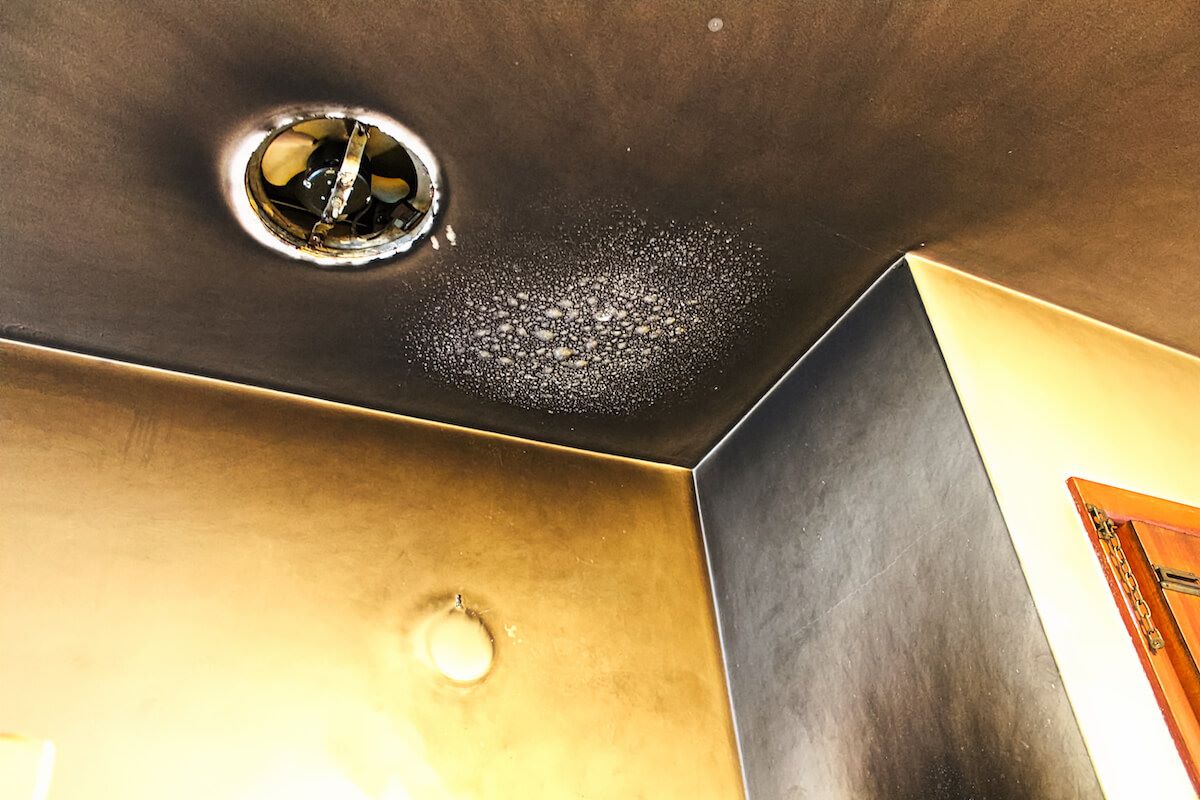
Key Takeaways:
- Smoke damage can permanently damage materials and personal belongings and increase the risk of smoke inhalation injury for anyone or any pet in the home.
- Different types of smoke can have distinct impacts, and both porous and non-porous materials can be affected.
- While minor soot stains may be addressed by homeowners, smoke and soot damage should generally be addressed by a professionally trained restoration team.
Extinguishing a house fire is not the end of fire damage. When addressing the aftermath of a fire, restoration professionals focus first on the damage caused by the flames themselves—but they don’t stop there. They also assess the property for smoke and soot damage, which can be just as destructive if left untreated.
Serving Blaine County and Twin Falls County, Idaho, the team at Valley Restoration offers full-service fire damage restoration, including smoke and soot removal, odor elimination, structural cleanup, and full reconstruction services. Here, we’ll discuss all of the effects of smoke damage and the importance of professional restoration over DIY cleanup.
Smoke, Soot, and the Different Types of Damage
Fire smoke is composed of airborne particles and gases, such as carbon monoxide and volatile organic compounds. It is often discussed alongside soot, which is a black, powdery residue you may find on surfaces after a fire. Both smoke and soot are caused by incomplete combustion during a fire.
Smoke, in particular, can linger long after the fire is put out. It will damage a house’s most vulnerable materials first, including fabrics, wooden furniture, and even electronic systems.
The form and severity of fire damage are determined by the type of smoke and the extent of the fire. There are a few commonly recognized types of smoke damage:
- Wet Smoke Residue: The thick and sticky residue resulting from fires that include rubber, plastics, or synthetic materials.
- Dry Smoke Residue: The powdery residue resulting from fires fueled by paper, wood, and other natural materials.
- Protein Residue: Residue that smells like sour milk, resulting from kitchen fires.
- Fuel Oil Soot: Dense and odorous soot from furnace fumes.
The immediate impacts of smoke damage inside a house may include surface staining and discoloration, difficult-to-remove odors, and damage to directly impacted and vulnerable devices, such as electronics and appliances. The faster smoke is professionally treated, the more likely your home’s structure and personal belongings will recover.
The Long-Term Effects of Smoke Damage
If left untreated, smoke can cause irreversible damage inside homes. The different types of smoke damage have distinct impacts. Protein residue, for example, can permanently ruin paint and varnishes if not addressed quickly. Untreated fuel oil soot can easily spread smoke stains and even increase the likelihood of another fire.
Porous materials—which have pores that increase absorption—tend to have lasting smoke odors that are more difficult to remove the longer they remain unaddressed. As a result, wood, furniture, fabrics, and other porous materials are more likely to end up ruined in a house fire.
Even non-porous materials that resist smoke damage, such as concrete and fire-resistant glass, are at risk of permanent staining and corrosion in severe cases.
The Health Risks of Smoke Exposure
Inhaling smoke comes with serious health risks, which is why it’s important for a professional restoration team—that has the proper training, techniques, and equipment—to address smoke damage. These are just some of the symptoms associated with smoke inhalation injury, according to Cleveland Clinic:
- Shortness of breath
- Chest pain
- Sore throat and coughing
- Headaches, dizziness, and fainting
Wildfire smoke comes with its own set of problems. According to an EPA article, exposure to PM2.5 in wildfire smoke can cause a wide range of health issues, from eye irritation and respiratory problems to exacerbation of asthma and heart failure.
If you suspect you have inhaled fire smoke or have any of the above symptoms after a house fire, seek medical attention as soon as possible.
Professional Restoration vs. DIY Cleaning
Professional smoke and soot cleanup is the safest and more effective option compared to DIY cleanup jobs. Minor soot stains atop non-porous surfaces may sometimes be wiped up safely by homeowners. However, smoke particles typically penetrate into fabrics, walls, and HVAC systems and can only be addressed by certified professionals.
Likewise, using the wrong cleaning products or improper techniques can exacerbate damage, setting permanent stains or spreading odors further in the home. To fully eliminate the fire smoke smell and remove any lingering particles from the air or surfaces, it’s best to call your local fire damage restoration company.
Get Rid of Smoke Damage For Good With Valley Restoration
During fire damage restoration, Valley Restoration addresses lingering smoke and odor along with thermal injury to belongings and infrastructure, and water damage from extinguishing the fire.
Here’s what you can expect from fire and smoke damage restoration:
- Assess and Secure the Property: As soon as our team receives your call and arrives at your property, we will evaluate and document your home’s fire and smoke damage. After assessment, we may also board up any openings caused by the fire.
- Store Belongings: Next, we will prepare the property for restoration by coordinating the removal, cleaning, and storage of all necessary belongings.
- Dehumidify the Air: Our technicians will ensure any water from firefighting efforts is removed. We use industry-grade tools for dehumidification and ventilation, ensuring your property is dry and deodorized before moving on to the next stage.
- Remove Debris: We’ll clean all of your salvageable items and remove anything that cannot be repaired. Permanent structural damage and debris will also be cleaned up.
- Remove Smoke: Our team has a tailored treatment approach for each type of smoke residue. Along with clearing out smoke, we will monitor for remaining traces to ensure your air quality is completely restored.
- Reconstruct & Restore the Property: Finally, if restoration is needed, we’ll reconstruct or repair any damaged structural property, returning your home to its original condition.
Since 1968, Valley Restoration has provided property restoration services to homeowners and businesses in Magic Valley and Blaine County, including Sun Valley, Bellevue, Twin Falls, and other service areas. Our IICRC-certified technicians are professionally trained to tackle every stage of fire damage restoration, from smoke and soot removal to debris cleanup and home reconstruction.
For property restoration you can count on, Valley Restoration delivers. Call either of our offices or contact us online today!
FAQs
Will my Idaho homeowner’s insurance cover smoke damage restoration?
Standard homeowner’s insurance policies in Idaho generally cover smoke and fire damage. Document damage thoroughly and contact your insurer as soon as possible after a fire. Valley Restoration can help provide the documentation your insurance claim needs. Our team will also work directly with your insurance company on your behalf.
How soon after a fire should I call a restoration company?
Ideally, within the first 24 to 48 hours, since smoke residue becomes harder to remove and more likely to cause permanent staining the longer it sits. Calling quickly reduces the risk of secondary issues like mold from lingering moisture. Many restoration companies, including those offering 24/7 service, will respond immediately to limit further damage.
Is it safe for pets to be around smoke-damaged areas?
Pets are also vulnerable to smoke inhalation and can experience respiratory irritation, coughing, or lethargy from residual smoke exposure. It’s best to keep pets away from affected areas until the space has been professionally cleaned and air quality has been restored. If your pet shows signs of distress after a fire, consult a veterinarian.
How long does a typical smoke damage restoration process take?
While timelines vary depending on the extent of the damage, it typically takes a few days for minor smoke damage and up to several weeks or more if structural reconstruction is needed. Factors like the size of the affected area and whether belongings need off-site cleaning also play a role. Valley Restoration can provide a more specific estimate after its initial assessment.