
Key Points:
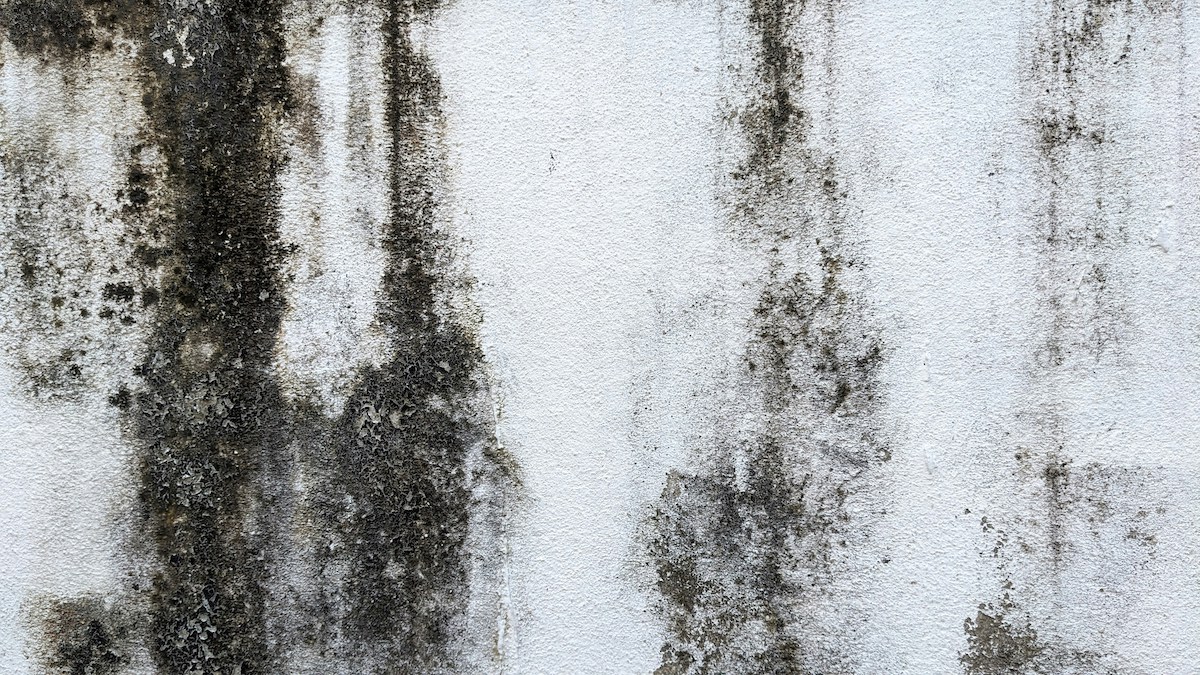
- Black mold is dark greenish-black, slimy in texture, and known to spread on materials with high cellulose content, including wood and drywall.
- Mold exposure, regardless of species, can lead to health problems such as respiratory issues, inflammatory conditions, and brain fog.
- While small areas of mold growth may be addressed by homeowners, hiring a mold remediation specialist ensures the issue is treated properly the first time and that any hidden mold is addressed.
Black mold is a fungus that’s dark in color, slimy in texture, and commonly found on damp, cellulose-rich materials like drywall, wood, and cardboard. While black mold is not necessarily more toxic or dangerous than other common household molds, any mold growth signals a moisture problem and can affect indoor air quality and health if left untreated.
As one of the most common molds in Idaho homes, black mold deserves a close look. Below, we’ll discuss how to identify black mold versus other kinds, health risks, and the importance of professional remediation over DIY cleaning.
Identifying Black Mold vs. Other Common Household Molds
Mold types vary in texture, appearance, odor, and color. While most people are talking about Stachybotrys chartarum when they refer to “black mold,” there are several species of mold that are black in color. Here are some of the most common types found in homes.
- Stachybotrys chartarum (black mold): Dark greenish-black, slimy patches that may appear wet or shiny when actively growing on a damp surface; typically spreads on materials with high cellulose content.
- Cladosporium: Green, brown, or black clusters that may appear powdery or granular; can thrive in both warm and cool conditions, often on interior surfaces.
- Penicillium: Blue, green, gray, or a combination of these colors with a velvety or powdery texture; grows on water-damaged building materials and foods.
- Alternaria: Dark green, gray, or brown with a woolly or velvety texture; is commonly mistaken for Stachybotrys chartarum.
Because so many of these species overlap in color and texture, a visual inspection alone often isn’t enough to confirm the presence of black mold. A mold remediation expert can identify the species, determine how and why the mold developed, and eliminate it from your home.
Health Risks of Mold Exposure
Many people report symptoms associated with prolonged exposure to mold, regardless of species. Higher-risk groups—including infants, elderly adults, and immunocompromised individuals—are especially at risk of developing the following:
- Respiratory issues: Often more severe than typical allergy symptoms, chronic coughing, wheezing, and shortness of breath can all indicate a mold-related reaction.
- Immune system changes: Inflammatory conditions and disorders, such as hypersensitivity pneumonitis, can develop after contact with mold.
- Neurological effects: From brain fog and difficulty concentrating to memory problems, extended mold exposure can lead to a range of neurological effects.
- Other symptoms: Mold has also been linked to a range of additional symptoms, including fatigue and digestive issues.
Pets—especially smaller animals with existing respiratory sensitivities—can also be more vulnerable in a moldy environment.
Why Professional Remediation Is the Best Way to Remove Black Mold
The EPA recommends handling mold yourself if the area is less than about 10 square feet. However, homeowners should also consider the possibility of hidden mold in the home, which is best identified and addressed by a trained professional. While there are many guides on removing black mold from your home, we advise seeking professional remediation in most cases.
DIY approaches to mold removal can actually make the problem worse. For example, improperly disturbing mold colonies can spread spores throughout the home. This also poses a safety risk if you are not equipped with proper personal protective equipment and containment measures. Given the associated risks, it’s better to hire a professional mold remediation technician.
Professional Mold Remediation With Valley Restoration: What to Expect
Serving homeowners and businesses in Blaine County and Twin Falls County, Valley Restoration can identify the source of your black mold problem, deodorize your indoor air, remove the mold, and restore your home’s health. Here’s our mold remediation process:
- Inspect the Property: Our team assesses the mold problem, identifies sources of water damage, and stops any leaks before beginning remediation.
- Contain the Mold: Given mold’s tendency to spread, we isolate the contaminated area by closing it off and using negative air pressure to prevent its spread.
- Remove Visible Mold: After containment, we use specialized techniques to carefully remove the mold and any permanently damaged items.
- Filter and Clean the Air: HEPA filtration systems, vacuums, air movers, and other professional-grade tools help remove airborne particles, reducing inhalation risk.
- Deep Clean Affected Areas: Our team will disinfect, sanitize, and clean the site, paying special attention to vulnerable areas, including air ducts.
- Restore Damaged Property: If the mold has left permanent damage, we will replace or restore your affected materials, returning your property to its original condition.
As an IICRC-certified company, we hold the highest credential in the cleaning and restoration industries from the Institute of Inspection Cleaning and Restoration Certification. Our trusted team has decades of experience with water extraction, mold remediation, and complete home restoration.
To start the black mold remediation process, call Valley Restoration at either of our office locations or contact us online today.
FAQs
Does Idaho homeowners insurance cover mold remediation?
It depends on what caused the mold. Most Idaho insurance policies cover mold removal if it resulted from a sudden, accidental event, but they typically deny claims tied to long-term humidity, poor ventilation, or delayed repairs. Check your policy’s specific mold coverage limits, since many insurers cap payouts even on approved claims, and talk to your agent before assuming you’re covered.
How much does black mold removal cost in Idaho?
According to HomeAdvisor data, the typical cost range for mold remediation in Idaho is about $973 to $3,256. Larger, more severe cases of mold that involve major structural repairs can reach tens of thousands of dollars. Many factors contribute to the cost, including where mold is found in the home; small, contained jobs in a bathroom or laundry room tend to cost far less than remediation involving crawlspaces, attics, or HVAC systems.
How long does mold remediation take?
Small mold remediation jobs involving a single bathroom or crawl space may be completed in one to two days. Larger infestations affecting an attic, basement, or multiple rooms can take a week or more. The timeline also depends on drying time, since remediation crews need the space fully dry before they can safely close it out.
How do I know if I have black mold or just surface mildew?
Mildew tends to stay on the surface, looks powdery or fuzzy, and wipes away easily. Black mold is usually darker, slimier, and keeps coming back even after cleaning. A musty smell that persists after cleaning is also a strong signal you’re dealing with something more than mildew. Since the two can look similar to an untrained eye, testing is the only way to know for certain.