
Key Takeaways:
- General timeline: Fire restoration can take from 1-12 months, with minor smoke and soot cleanup taking less time than extensive reconstruction. If light cleaning or painting is needed, 1 month is reasonable. If architects, permits, and plans are needed, the timeline can extend substantially.
- Timing factors: Damage severity, firefighting water, structural repairs, insurance coordination, and material availability affect restoration completion times.
- Restoration stages: The fire restoration process includes damage assessment, emergency mitigation, water removal and drying, smoke and soot cleanup, repairs, and final inspections. Structural engineer assessment, architects, and city permit processes can be time consuming stages of the project.
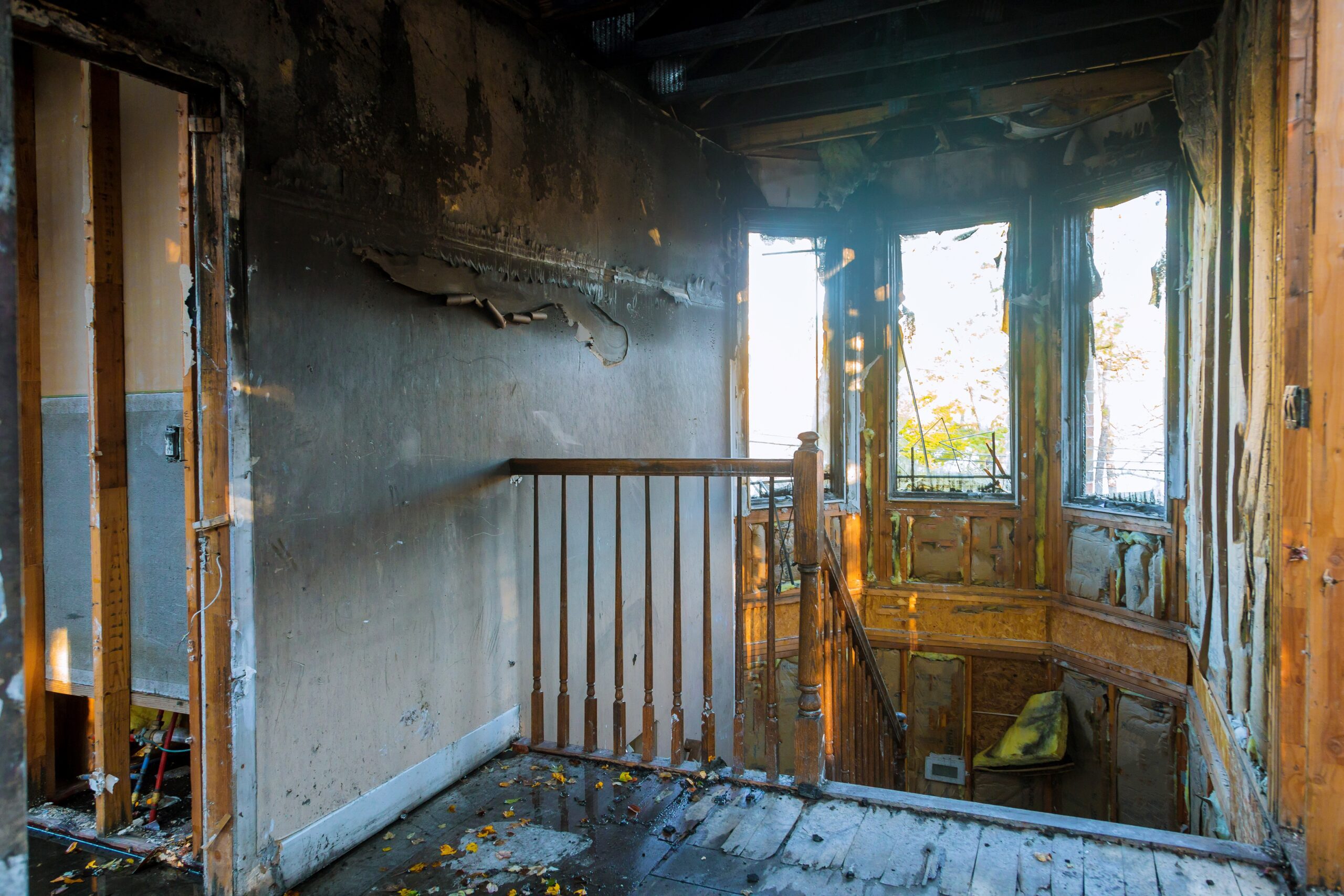
Fire restoration takes anywhere from 1-12 months, depending on the extent of the damage and the work your property needs. Projects involving only smoke and soot cleanup typically finish sooner than those requiring major repairs or reconstruction. Initial mitigation, full restoration, and safe occupancy also have different timelines, so finishing cleanup doesn’t always mean you can move back in.
Valley Restoration provides fire damage cleanup, repairs, and reconstruction throughout Twin Falls and Blaine County. Here’s what to expect during each stage and what might affect the timeline of your restoration project.
How Long Does Fire Damage Restoration Take?
Fire damage restoration timelines depend on whether your property needs basic cleaning, material replacement, or extensive rebuilding. Even a small fire might leave smoke residue, water damage, or hidden problems beyond the visibly burned area. A professional assessment determines the full scope of work and provides a more accurate completion estimate.
| Project Scope | Estimated Completion Range | What Affects Timing |
|---|---|---|
| Limited smoke and soot cleanup | 1–2 months for cleanup | Number of affected surfaces and belongings, cleaning requirements, and lingering odors |
| Cleanup with material replacement | 3–6 months for cleanup and repairs | Water removal, drying conditions, removal of damaged materials, and replacement work |
| Extensive reconstruction | 9–12 months for the full restoration project | Structural repairs, permits, inspections, contractor scheduling, and material availability |
These ranges represent general estimates, not guaranteed completion dates. Valley Restoration evaluates the property’s condition to determine the necessary work and establish a project-specific timeline.
The Fire Damage Restoration Process and What Affects Each Stage
The fire damage restoration process and timeline vary based on the property’s condition and repair needs. Here is what to expect at each step and what may affect the final completion date.
Initial Assessment and Emergency Mitigation
Cause and origin must release the fire before any notable material is disturbed. Once authorities approve safe entry, crews inspect and document fire, smoke, and water damage. They identify immediate risks, secure vulnerable areas, and take steps to prevent further damage. Valley Restoration offers 24/7 emergency fire damage restoration services.
Water Removal, Drying, and Contents Handling
Firefighting water often requires extraction, structural drying, and removal of unsalvageable materials. Drying time depends on moisture levels and material conditions, while documenting, moving, storing, and cleaning belongings adds to the timeline. Valley Restoration provides water damage restoration to address these additional recovery needs.
Soot Removal, Smoke Cleanup, and Odor Treatment
The fire remediation process involves cleaning smoke residue, removing soot, and eliminating odor sources. Cleaning time depends on the affected surface area, material porosity, and how deeply residue penetrates, including potential contamination in concealed spaces or building systems. Tasks such as removing smoke odor from wood require treating affected materials rather than masking odors.
Repairs, Reconstruction, and Final Review
Crews replace damaged drywall, flooring, insulation, and other building materials after completing the necessary cleanup. Structural repairs, specialty contractors, material deliveries, and inspections influence the reconstruction schedule. Once repairs finish, the project team conducts a final review and addresses any required approvals before occupants return.
What Can Delay Fire Restoration?
Unexpected damage, scheduling conflicts, and approval requirements may extend fire restoration timelines. Common delays include:
- Hidden damage: Crews uncover additional problems behind walls or beneath flooring, requiring changes to the repair plan
- Insurance coordination: Claim documentation, coverage questions, and approval of repair estimates slow project scheduling
- Materials and contractors: Specialty materials, product selections, and contractor availability affect when repairs begin
- Permits and inspections: Projects requiring permits or inspections must account for local approval schedules
- Hazardous materials: Suspected asbestos or other hazardous substances require testing and specialized handling when applicable
Even after crews finish one phase, the next contractor might need to wait for materials, inspections, or other project requirements.
What Homeowners Can Do to Help Keep the Project Moving
Homeowners can reduce avoidable delays by staying organized, communicating with their insurance company, and making timely decisions throughout the restoration project.
- Contact your insurer: Report the damage promptly and coordinate necessary mitigation with your restoration contractor
- Organize documentation: Keep insurance correspondence, property inventories, repair estimates, and receipts in one place
- Request a project schedule: Ask for a written scope of work, major milestones, and updates when completion dates change
- Make timely selections: Choose and approve replacement materials and finishes to avoid holding up repairs
- Follow safety instructions: Ask your restoration team about property access, utilities, belongings, and cleanup before taking action
Some delays remain outside your control, but clear communication and prompt decisions keep the work moving when possible.
Fire Restoration Timeline FAQs
Does smoke damage take less time to restore than fire damage?
Yes. Limited smoke damage cleanup typically takes 1-2 months, while projects requiring structural repairs can take up to 12 months. Affected belongings, hidden smoke residue, and odor removal influence the timeline.
Can I move back in before fire restoration is finished?
Yes, if the property has safe utilities, no remaining occupancy hazards, and required approvals. The American Red Cross advises homeowners to watch for structural damage, damaged gas lines, and unsafe electrical systems before entering. Your restoration team and the local authorities must confirm when you can safely return.
Why did my fire restoration completion date change?
Hidden damage, material shortages, insurance coordination, and inspection scheduling often extend completion dates. Ask your contractor for an updated timeline that identifies outstanding work and expected milestones.
Get a Clearer Timeline for Your Property
Valley Restoration provides fire damage cleanup, repairs, and reconstruction throughout Twin Falls, Blaine County, and the Wood River Valley. Contact our team to assess your property’s damage, review the necessary work, and discuss the expected timeline and next steps.
Contact Valley Restoration or call today.
About the Author: Todd Trask is an IICRC Master Water Restorer and Director of Operations for INTACT Restoration Solutions, with 17 years of hands-on restoration industry experience. Todd specializes in emergency water extraction, structural drying, mold remediation, fire and smoke damage, flood recovery, and insurance documentation. An active IICRC member and contributor to the Cotality Contractor Advisory Committee, he brings frontline expertise and operational leadership to his role, helping ensure restoration guidance published under INTACT’s brands is accurate, safe, and aligned with current industry standards.