
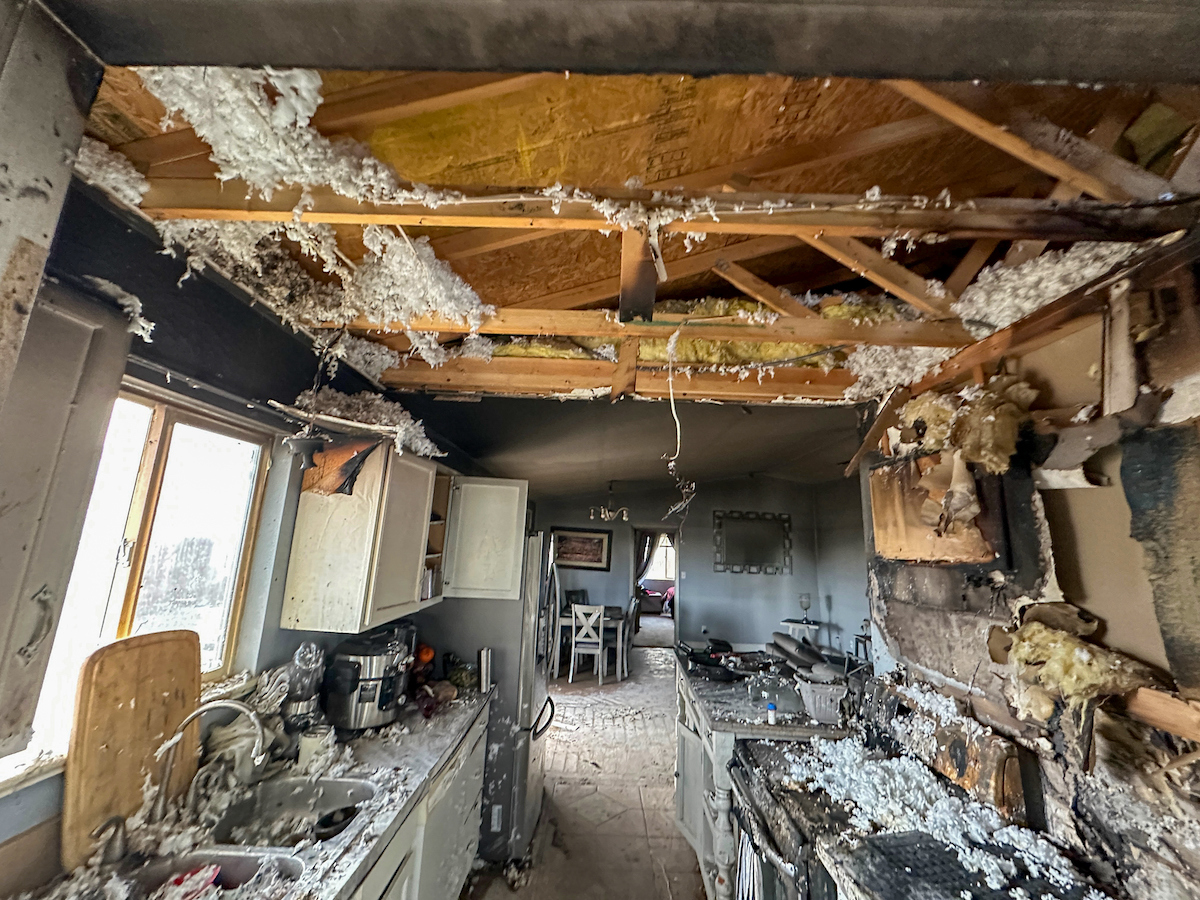
Key Takeaways:
- After a house fire, Idaho homeowners should take care of immediate safety needs, wait for clearance from the fire department, then call restoration professionals to begin the recovery process.
- Having thorough documentation, including clear photo and video evidence of property damage, helps to support your insurance claim.
- Professional fire damage restoration also includes smoke and soot removal, which can cause greater damage and health risks if left unaddressed.
Home disasters, including house fires, often occur when you least expect them. Whether the cause is a faulty outlet, unattended food on the stove, or a spreading wildfire, it’s crucial to know what to do immediately after the fire is out and you and your family are safe.
At Valley Restoration, our team helps guide Idaho homeowners through their recovery process after a house fire. We understand how frightening fires can be, no matter the scale, which is why we provide comprehensive support and a full range of professional restoration services throughout Wood River Valley and Magic Valley, Idaho.
In this recovery guide, we’ll cover the steps to implement immediately after a fire, how to document the fire damage, and how professional restoration can help return your home to its previous condition.
5 House Fire Recovery Steps to Take Immediately
Take Care of Immediate Needs
Right after evacuating, make sure every member of your household is moved to a safe location. Seek immediate medical attention for any injuries or smoke inhalation.
Wait for Clearance Before Reentering Your Home
Do not reenter your home until the fire department has issued clearance, ruling out dangerous structural issues, hot spots that may reignite, and electrical hazards caused by the disaster.
In severe cases, authorities may advise against reentry until restoration work is complete. If that happens, your local restoration company can help you arrange temporary housing while the work is underway.
Call Your Local Restoration Company
After addressing immediate needs and following the fire department’s orders, call your local restoration company to initiate the restoration process. It’s important to do this quickly; soot, smoke, and even water damage from firefighting can worsen the longer it goes untreated.
24/7 emergency response is the standard for reputable restoration companies. After receiving a house fire call, the technicians at Valley Restoration arrive promptly at the property and begin the fire damage restoration process—from assessment through cleanup and reconstruction.
Document the Damage
Documentation is essential for your insurance claim. Make sure to take photos and videos of every affected room before cleanup or repairs begin. Valley Restoration assists with gathering documents and information for your insurance company, streamlining the claims process by communicating with representatives on your behalf.
Call Your Insurance Company
Once documentation is complete, call your insurance company to report the claim. Filing your insurance claim soon after restoration professionals arrive helps move the process along and reduces the risk of processing delays. Have your policy information on hand, and keep a record of what’s discussed during the call.
When Is It Safe to Reenter Your Home After a House Fire?
It’s natural to want to check on your belongings as soon as possible. However, even rooms that look unaffected by fire damage can hide risks.
According to the U.S. Fire Administration’s “After the Fire” guide, floors, walls, and personal items that appear unharmed may still carry smoke or water damage that isn’t immediately visible. Likewise, soot or firefighting water that’s left behind can contain substances that make people sick upon exposure.
When in doubt, ask a fire official about the safety status of your home. If your property needs extensive restoration, your local restoration company can help you find accommodations.
Documenting the Damage
Having a thorough and complete record of your property damage supports you during the insurance claims process. Here are some documentation tips that can help streamline the process.
Photo and Video Documentation Best Practices
- Go through your home room by room and assess the overall condition.
- Take wide-shot photos of the room as a whole, along with close-up photos of damaged structures, materials, and personal belongings.
- Take video walkthroughs if it’s helpful to capture context that photos may miss.
- Do not move or discard any damaged materials or belongings until they’ve been documented.
Filing Your Insurance Claim in Idaho
When you call your insurance company in Idaho, report the core facts first:
- When the fire occurred
- Which areas of the home were affected
- Any immediate safety concerns
Most homeowners’ insurance policies in Idaho cover damage from house fires and wildfires. That said, coverage details vary by policy, and it’s important to review your policy and ask an insurance agent any questions you have during this call.
The Idaho Department of Insurance, the agency that regulates insurance companies operating in the state, has a Post-Disaster Claims Guide with additional information on the claims process.
Understanding Smoke and Soot Damage Beyond the Burn Zone
Even after the flames are extinguished, smoke and soot damage within the home must be addressed.
Smoke can travel beyond the rooms where the fire occurred via HVAC systems, open doors, and even cracks and gaps throughout the home. In addition to surface staining and odors, remaining smoke particles can be absorbed into porous materials and cause damage over time. When exposed to smoke, people may experience respiratory issues, worsening asthma symptoms, and other health problems.
Soot—the fine, powdery residue left when materials don’t fully burn—can corrode metal fixtures and other non-porous surfaces, shorten their lifespans, and lead to expensive repairs. Like smoke, it irritates people’s lungs, eyes, and skin upon exposure.
DIY cleaning attempts not only increase the risk of these health concerns but also could worsen the damage. Smoke and soot require specialized cleaning techniques that should only be carried out by certified professionals.
Recover From Fire Damage With Valley Restoration
Whether you’re dealing with whole-house damage or a fire that was contained to one room, Valley Restoration is ready to help. Our team handles every stage of the fire damage restoration process, including:
- Inspection
- Content Cleanout and Storage
- Dehumidification and Deodorization
- Smoke and Soot Damage Removal
- Cleaning Salvageable Items
- Restoration and Reconstruction
For 24/7 disaster recovery service in Ketchum, Sun Valley, Hailey, Twin Falls, and all our Idaho service areas, contact Valley Restoration today. Schedule your appointment online or call either of our offices today!
FAQs
How fast do I need to act after a fire?
After ensuring all household members are safe and receiving clearance that the house is safe to reenter, call your local restoration company to begin the restoration process. Acting quickly limits how far smoke and soot spread into unaffected areas, reduces the risk of permanent staining or corrosion, and helps prevent secondary issues. The sooner a professional restoration team assesses the damage, the better your chances of saving furniture, flooring, and personal belongings.
How long does smoke odor removal typically take?
For most Idaho homes, professional smoke odor removal takes anywhere from a few days to two weeks, depending on the fire’s severity and how far smoke has traveled. Minor smoke damage may be resolved in 1–3 days with air scrubbing and deodorizing treatments, while extensive smoke and soot infiltration can require a week or more of deep cleaning.
Will my homeowner’s insurance cover smoke and soot damage, not just fire damage?
Yes, most standard homeowner’s insurance policies in Idaho cover smoke and soot damage as part of fire damage coverage. This may also include cleaning costs for walls, ceilings, HVAC systems, and belongings affected by smoke residue, even in rooms untouched by flames. Coverage varies by policy, so make sure to document all smoke-related damage thoroughly and confirm specifics with your insurance adjuster.
Can I stay in my home during the cleanup and restoration process?
Whether you can stay depends on the extent of the fire, smoke, and structural damage, as well as air quality inside the home. Homes with soot contamination, extensive structural damage, or lingering smoke odor typically require temporary relocation until restoration is complete. A professional assessment can tell you definitively whether your home is safe to occupy during the process.